







Search Results for: Raw Blend vs. Roasted Blend

How to Choose Espresso Beans? Blends vs. SOE Differences and a Guide to Four Front Street Coffee Espresso Bean Recommendations
To make an espresso with a balanced mix of acidity, sweetness, and bitterness, choosing the beans is the first step. Espresso beans mainly fall into two categories: SOEs that highlight a specific region's flavors, and blends that aim for a balanced taste—most cafés go with the latter. The reason is that blends can make up for the shortcomings of a single origin's incomplete flavor profile, while also keeping the taste consistent year-round. When it comes to roasting, blends follow two paths—pre-blending raw beans or post-blending roasted beans—each with its own trade-offs. Front Street Coffee offers four blends for different needs: Sunflower Warm Sun, Specialty Blend, Commercial Blend, and Black Cocoa Blend, each suited to different shops and home scenarios. This article will walk you through all of this systematically to help you find the espresso bean that's right for you. [more…]
A Complete Guide to Espresso Blend Coffee Beans: From Raw and Roasted Blending to Classic Recipes and Flavor Pairing
The essence of espresso often lies in the blend—skillfully combining coffee beans of different varieties or roast levels so that their flavors complement one another. This article systematically explains the two blending processes for blend beans (pre-roast blending and post-roast blending), the differences in resting time, and the three main approaches to blending coffee: using a base bean as the core, combining beans with opposite characteristics, and blending similar beans while adding distinctive flavors. It also provides classic espresso recipe ratios for three types—bright and acidic, balanced, and bitter-leaning—and mentions recommendations from the Front Street brand. Whether you are a coffee enthusiast or a professional, you can find practical blending inspiration here. [more…]
A Complete Guide to Coffee Blending: Purpose, Flavor Positioning, Pre-Roast vs. Post-Roast Blending, and Ratio & Recipe Approaches
Blending coffee beans is not simply mixing them together, but a technical craft that balances experience, inspiration, and calculation. This article systematically outlines the complete blending process: from clarifying the purpose of the blend (reducing costs, stabilizing flavor, creating tastes that a single-origin bean cannot achieve), to determining the target flavor, choosing between pre-roast or post-roast blending, and then locking in the blend ratio through pre-confirmation and final confirmation via cupping. Using the Warm Sun Blend as an example, the article explains how to use Honduras Sherry Barrel as the main base, combined with Natural Yirgacheffe Red Cherry Project, roasted separately and then combined, balancing vinous notes with fruity acidity and berry tones, while preserving Front Street Coffee's brand experience and product information. [more…]
In-Depth Analysis of Espresso Blend Beans vs. SOE Espresso: A Comprehensive Comparison from Recipe Logic to Flavor Performance
The choice between espresso blends and SOE espresso has always been a hot topic among coffee enthusiasts. Why are blended beans still the mainstay of espresso to this day? Compared with single-origin espresso, what are their respective flavor advantages and suitable scenarios? From the perspective of Front Street Coffee, this article systematically sorts out the definition of blended coffee, the difference between pre-roast blending and post-roast blending, the three core purposes of blending, and the real differences in flavor between blended beans and SOE. At the same time, combined with the practical extraction plan of Front Street Sunflower Warm Sun Blend, it shares the specific ratios for hot lattes and hot Americanos, and recommends Front Street Classic Espresso Blend for friends who prefer a rich mouthfeel. Whether you are a beginner just getting into espresso or a seasoned drinker who wants to understand the logic of blend formulas, you can gain practical reference from it. [more…]
Four Cats Coffee Tasting Comparison: Flavor Differences and Buying Advice vs. Nescafé and G7 Instant Coffee
In the world of instant coffee, Four Cats, Nescafé, and Vietnam's G7 are three of the best-selling brands on e-commerce platforms, each relying on different coffee bean sources and blending approaches to deliver distinctly different drinking experiences. Over 98% of Four Cats Coffee's raw materials come from high-mountain coffee beans grown in Yunnan, while Nescafé blends Yunnan Arabica with Hainan Robusta, and Vietnam's G7 uses locally grown Vietnamese Robusta beans. This article will help you decide which one suits you best from three dimensions—alertness-boosting effect, smoothness of taste, and value for money—while also sorting out the differences between instant coffee and freshly ground coffee in terms of production process and health impact, and introducing Front Street Coffee's drip bag series along with its brewing method. [more…]
A Beginner's Guide to Coffee Blending: Blending Goals, the Differences Between Raw and Roasted Blending, and Analysis of Classic Recipes
The commercial motivations behind blending coffee beans typically operate on two levels: first, lowering costs and ensuring consistent output by combining beans from different origins; second, creating a unique flavor profile that others cannot replicate, so customers can only identify with one brand. Setting aside commercial considerations, this article focuses on blending practices aimed at enhancing flavor quality. It begins with understanding the individual character of coffees from various origins, then moves to determining blending goals and defining the role each bean plays, followed by choosing between two processing methods—blending green beans or blending roasted beans—and finally the process of determining the number of components, ratios, and repeated cupping. Front Street Coffee also lists four representative blended products for reference by coffee shops and enthusiasts with different needs. [more…]
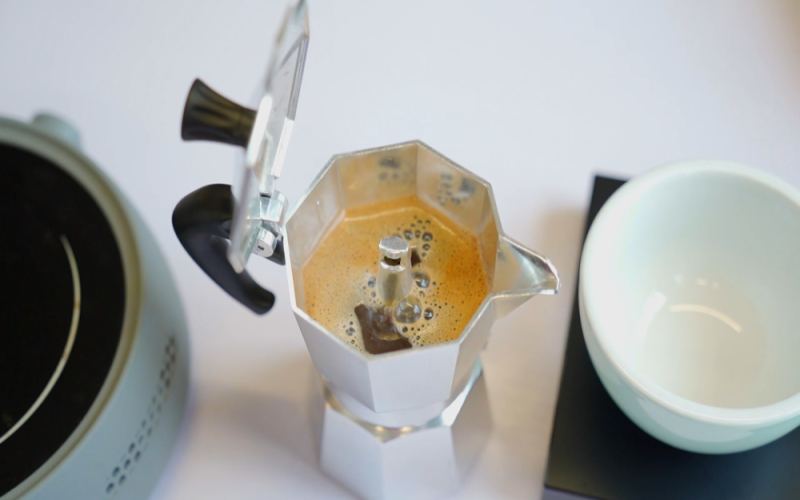
How to Determine the Grind Size for a Moka Pot? A Full Analysis of Single-Valve vs. Double-Valve Pressure Differences, Pros and Cons
As a classic choice among home coffee equipment, the moka pot's single-valve and double-valve differences directly affect the resulting concentration and crema performance. This article starts with the structural principles, analyzes the extraction pressure differences between the two valve types, and outlines the pros and cons of the moka pot, the suitable coffee grind size range, and recommendations for coffee bean roast level. It also includes a complete operating procedure, covering dose control, heating techniques, and daily maintenance points. The article also introduces the recipe ideas and flavor characteristics of Front Street Coffee's two espresso blends, helping enthusiasts make clearer judgments when purchasing and practicing. [more…]
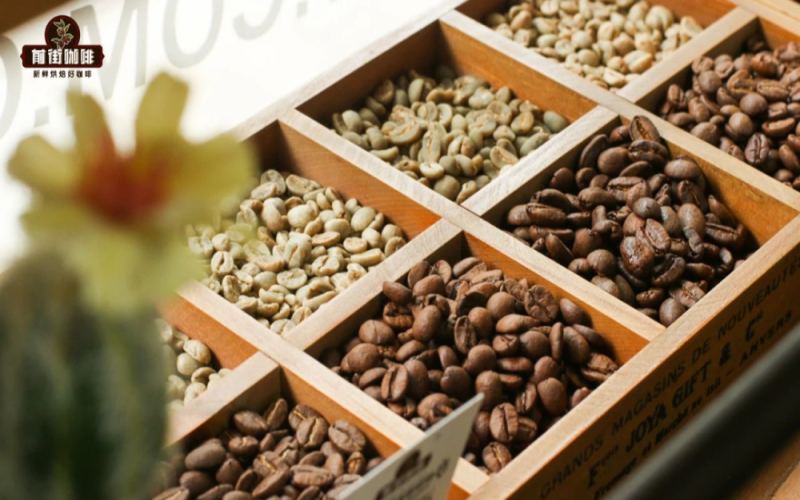
Italian-style blend coffee beans vs. single-origin beans: how to choose? Analyzing blending principles and extraction flavor through Front Street Coffee's four recipes
Which tastes better: single-origin coffee beans or formula beans (blended coffee beans)? This is a common question for many coffee enthusiasts when they are just getting started. This article begins with the history of coffee blending, sorts out the definition of espresso blend coffee beans, the four major blending principles, and the preparation steps before blending, and uses Yunnan small-bean coffee as an example to explain how to design an espresso recipe. It then combines Front Street Coffee's four espresso blends—Black Cocoa Blend, Commercial Blend, Specialty Blend, and Sunflower Warm Sun Blend—to provide flavor descriptions and recipe ratios one by one, and finally includes Front Street's espresso extraction parameters for coffee enthusiasts to refer to and compare. [more…]
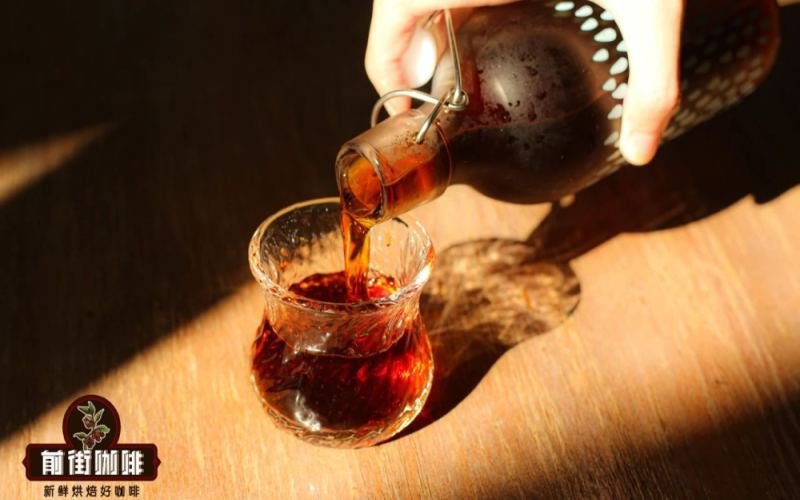
A Comprehensive Analysis of Caffeine Content in Pour-Over vs. Espresso and Whether Espresso Blend Beans Can Be Used for Pour-Over
There are significant differences between pour-over coffee and espresso in terms of preparation methods, coffee bean selection, and caffeine content. Pour-over mostly uses single-origin beans, primarily light to medium roasts, extracted at normal pressure over a longer time, so the amount of caffeine dissolved out is relatively higher; espresso relies on blended comprehensive beans, deep roasting, and rapid extraction at 9 atmospheres of pressure, with a thick mouthfeel, making it suitable for pairing with milk. This article will compare the three dimensions of bean selection, preparation methods, and caffeine content, and provide a detailed introduction to the Espresso preparation process at Front Street stores and the practical steps of pour-over coffee, helping enthusiasts understand the essential differences between the two extraction methods, while also answering the common question of whether espresso blend beans are suitable for pour-over. [more…]
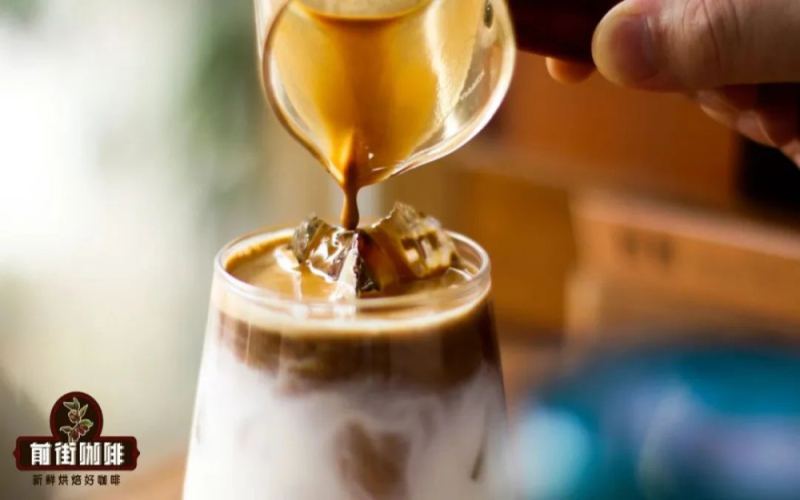
Hot Coconut Milk Latte vs. Iced Drink Flavor Differences Explained: Key Techniques for Frothing Thick Coconut Milk
Iced coconut milk lattes are sweet and smooth, but when switched to a hot drink they easily become cloying and sour, with the flavors separating—where exactly does the problem lie? Starting from the compositional characteristics of thick coconut milk, this article analyzes the principles behind fat separation, protein denaturation, and acidification reactions when it is heated, and offers a practical solution of adding milk to adjust the blend. At the same time, drawing on in-store testing, Front Street shares the suitable ratios of espresso, thick coconut milk, and fresh milk, as well as operational details such as aeration time and temperature control when steaming milk foam, to help you make a cup of hot coconut milk latte at home with harmonious flavors that is suitable for latte art. [more…]
Single-origin beans don't necessarily make good SOE: A side-by-side test of pour-over vs. espresso with Brazil Queen's Estate Yellow Bourbon
Does SOE (Single Origin Espresso) equal specialty coffee, and does it equal great taste? The answer is no. As a crop, coffee's flavor fluctuates year by year with the terroir and climate, and the choice of extraction method also brings noticeable differences. Front Street Coffee conducted a comparative experiment using Yellow Bourbon from Queen's Farm in Brazil's Mogiana region, grown at an altitude of 1,400 to 1,950 meters, comparing pour-over and espresso: the pour-over version showed the fresh sweetness of sugarcane juice, with notes of black tea and nutty chocolate, while the SOE version revealed astringency like peanut skin and a thin body. This shows that not all single-origin beans are suitable for espresso; and the nutty, caramel character of Brazilian beans is precisely the ideal base note for espresso blends. At the end of the article, an interpretation of the recipes for Front Street's three espresso blends is attached. [more…]

Latte vs. Cappuccino: A Comprehensive Analysis—From Milk Foam Ratio, Taste and Flavor to Origins and History
Latte and cappuccino are the two most frequently ordered espresso milk coffees in coffee shops, both based on espresso with milk and milk foam added, similar in appearance yet each with its own character. Many coffee lovers wonder: what exactly is the difference between these two drinks? This article, from the perspective of a Front Street Coffee barista, first clarifies the category classification of latte and mocha, then compares latte and cappuccino item by item around milk foam thickness, latte art performance, ingredient ratios, and mouthfeel, while also tracing the origins and historical development of the two coffees. The article also incorporates the flavor performance of Front Street's specialty blend coffee beans to help readers make a more suitable choice based on their own preference for coffee strength. [more…]
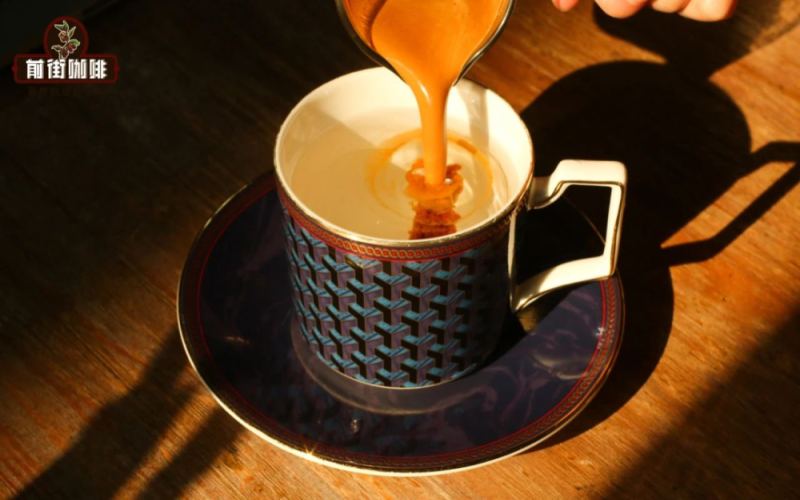
Espresso Coffee Types | Americano vs. Latte: Which Tastes Better? Why Is Americano Black Coffee So Popular?
Americano is one of the most popular coffees. Whether it's office workers during the week or people out having fun on weekends, holding a cup of Americano is standard. So what is the magic of Americano that makes everyone love it so much? Made only of espresso and water, the Americano is available at almost every cof [more…]
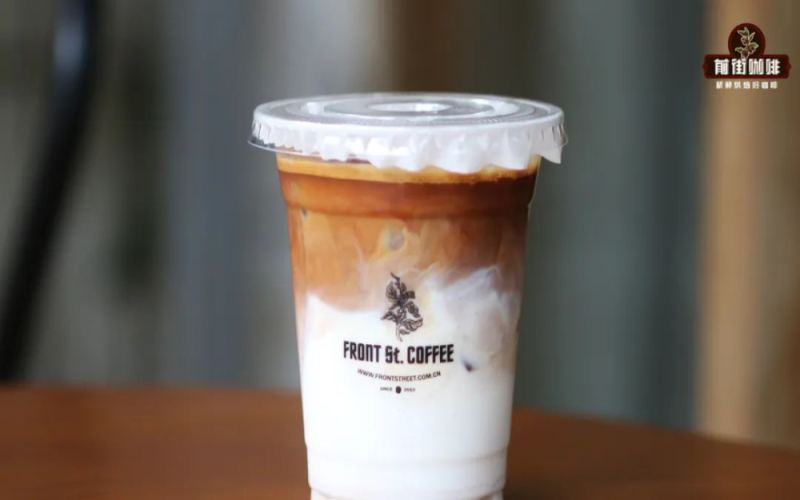
What is the difference between fresh milk and pure milk? Which milk and espresso blend beans should be chosen for milk coffee?
To make a satisfying espresso-based milk coffee at home, the choice of both the espresso base and the milk is equally crucial. The espresso determines the flavor direction, mainly depending on the espresso beans; the milk, while blending with the coffee and diluting its concentration, makes the sweetness more prominent and the mouthfeel richer. This article breaks down the selection logic for espresso beans from three angles: roast level, single-origin versus blend, and origin, explaining why espresso beans are usually roasted darker, and what kind of milk coffee African, Asian, and American beans are each suited for. The article also provides specific flavor descriptions and suitable audiences for three Front Street Coffee espresso blends, and reminds readers of the impact of freshness on flavor layers, while also discussing the difference between fresh milk and pure milk, as well as the real gap in extraction quality of home espresso machines. [more…]
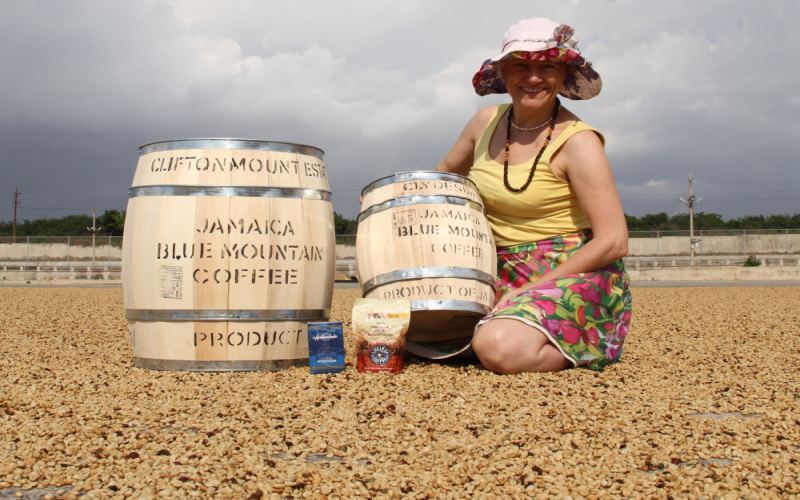
Jamaican Blue Mountain Coffee vs Cappuccino Taste Comparison: Blue Mountain Coffee Bean Grades, Prices, and Key Points for Authenticity Identification
Blue Mountain coffee is often regarded as the pinnacle of coffee, but the market is flooded with products bearing the name "Blue Mountain." What grade do coffee beans truly grown in Jamaica's Blue Mountains actually belong to, why do their prices remain so high, and how does their taste compare with cappuccino? This article, from the perspective of Front Street, sorts out the production region system, grading standards, and historical quota changes of authentic Blue Mountain coffee, introduces the characteristics and brewing suggestions of Clifton Farm Blue Mountain No. 1, distinguishes between Blue Mountain flavor coffee beans and Blue Mountain instant coffee, and finally explains the suitable audiences for Blue Mountain coffee and cappuccino respectively. [more…]

American Coffee vs. Latte: Flavor Characteristics Explained — From Espresso Diluted with Water to Blended with Milk, Which One Suits You Better?
Americano and latte are the two most common espresso-derived drinks in cafés: one presents the pure black coffee flavor of espresso diluted with water, while the other blends espresso with milk for a smooth sweetness. This article will start with the history of Americano, its advantages in alertness and value for money, the application of specialty beans, and Front Street Coffee's specific extraction scheme, then compare the origins, ratios, and preparation details of the latte, helping coffee lovers understand the differences between the two in taste, strength, and suitable occasions, so they can make a choice based on personal preference. [more…]
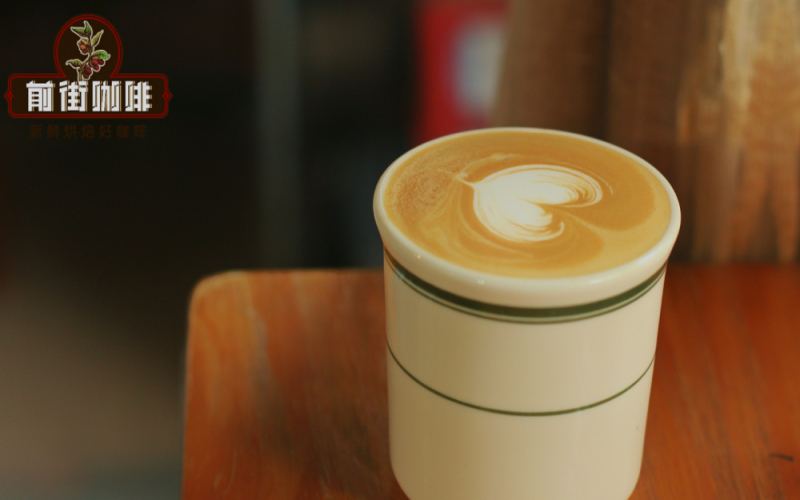
Which Milk Should You Choose for Coffee? A Side-by-Side Taste Test of Glass-Bottled Fresh Milk vs. Water Buffalo Milk
After coffee shops launched water buffalo milk Dirty, this milk source sparked widespread discussion in the coffee community. Water buffalo milk is familiar to friends in Guangzhou, Foshan, and Guangxi, but how does it actually perform in coffee? This article, through hands-on comparisons of glass-bottled fresh milk and water buffalo milk, makes hot lattes, Dirty, and iced mochas respectively, recording one by one from milk foam fineness, coffee integration, layering effect, to flavor layers. At the same time, it will also sort out the effects of pasteurization and ultra-high-temperature sterilization on milk taste, helping coffee lovers and cafe owners find milk suitable for pairing with coffee. [more…]
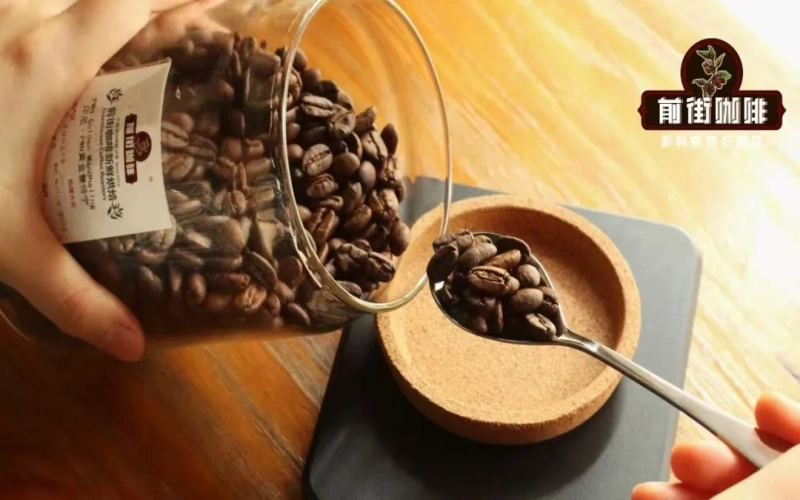
How Should You Blend Coffee Beans? A Purpose-Driven Guide to Pre-Roast and Post-Roast Blending with Front Street Coffee's Practical Recipes
Blending is not simply mixing a few beans together; it can both deliver consistent output and create entirely new flavor experiences where one plus one is greater than two. This article begins with the purpose of blending, explains how to select base beans and ratios according to the desired flavor or mouthfeel, and points out that similar roast levels are the key to successful blending. It also draws on two products—Front Street Coffee Strawberry Candy · Geisha Blend and Front Street Coffee Strawberry Candy · Espresso—to break down the differences between pour-over blends and espresso blends in bean selection and roasting, and finally includes adjustment ideas for brewing parameters and two sets of blending recipes commonly used by Front Street Coffee, for coffee lovers to reference and practice. [more…]
What is the difference between espresso blends and SOE? Which beans give a more ideal flavor for making Americano?
Blends and SOEs are two paths in the world of espresso, often compared by enthusiasts, but each has its own value. This article will explain what a blend is, outline the three main purposes of blending—controlling costs, maintaining flavor consistency, and creating flavors that single-origin beans struggle to present—and point out that the key to judging a blend lies in its purpose and pricing. It also brings bean recommendations from Front Street Coffee, including the Dark Cocoa Blend, the Front Street Classic Blend, and the Strawberry Candy espresso featuring floral and fruity notes. Finally, specific parameters for espresso, hot latte, and hot Americano are included to help you find the cup that suits you best. [more…]
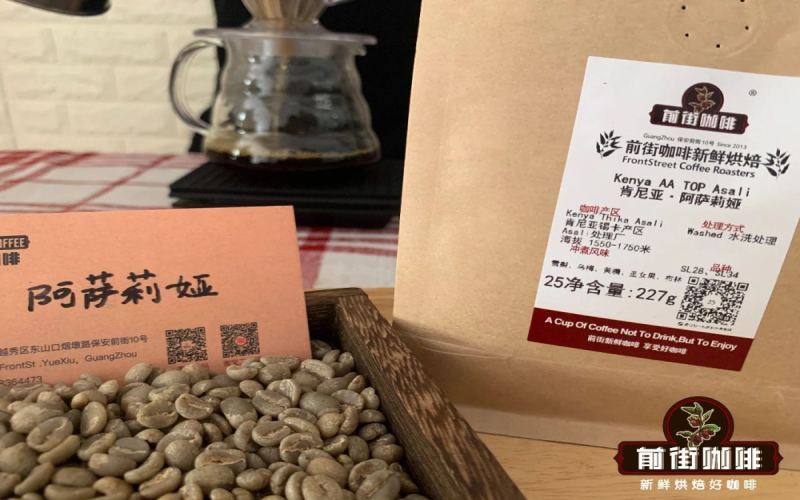
A Detailed Explanation of the Differences Between Kenya AA and AB Grades: Raw vs. Roasted Bean Differences and Front Street Coffee Brewing Guide
Kenyan coffee is world-renowned for its bright acidity and rich fruity flavors, and AA and AB, as the two most common grades, what exactly is the difference between them? This article will start from the perspective of Front Street Coffee and systematically sort out Kenya's coffee grading system—including the specific classification criteria for eight grades such as AA, AB, PB, and E—and further explain the differences between green beans and roasted beans, as well as the factors affecting coffee bean prices. At the same time, we will also share the hot pour-over and iced pour-over practical parameters for Front Street Kenya Asalia and AA TOP, helping you better understand this high-quality coffee from the Thika producing region. [more…]